

Call Us Today!
Call Us Today!
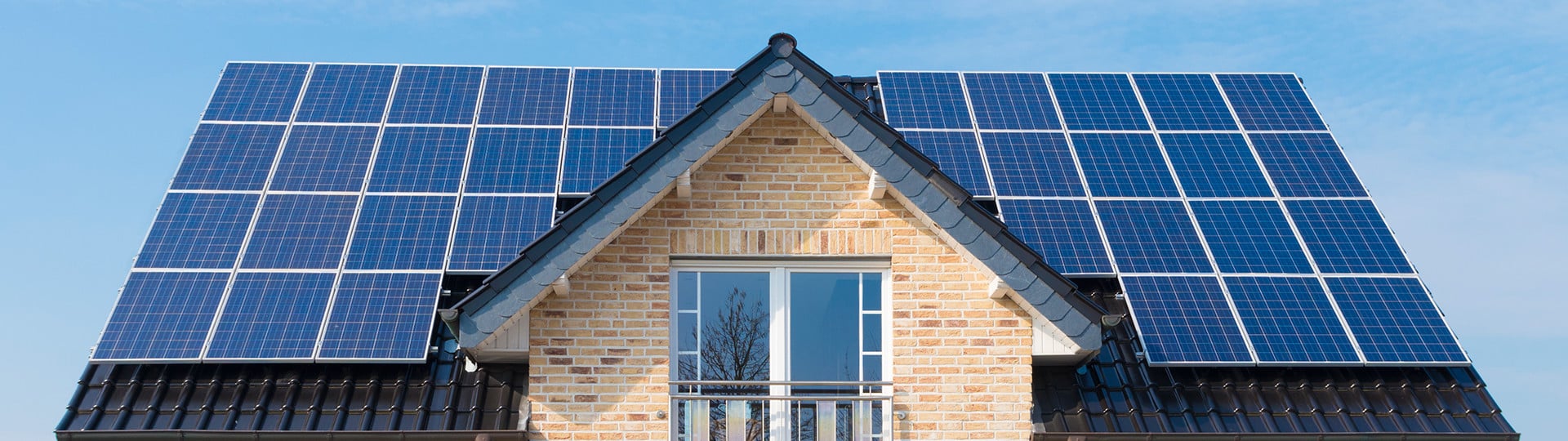
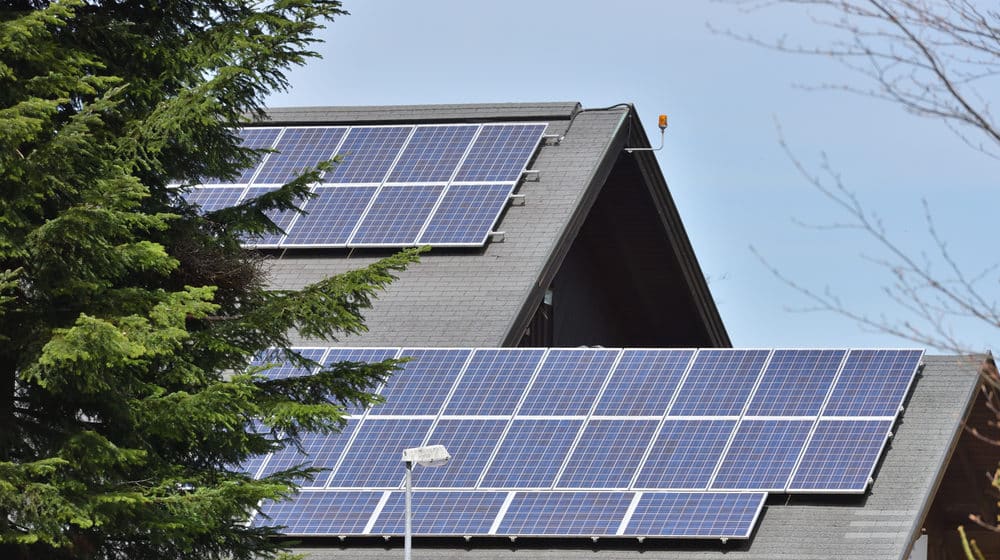
Have you ever considered the benefits of switching to solar energy for your home? Not only is it environmentally friendly, but it can also save you money on your energy bills. If you’re in Texas, Solar City TX offers residential solar roofing services to make the transition to solar energy seamless and affordable.
With the increasing demand for renewable energy sources, solar power has become a popular choice for homeowners. Switching to solar energy is a wise investment for your home and the environment.
Solar City TX’s residential solar roofing services in Texas make it easy for homeowners to make the switch and reap the benefits of renewable energy. Read on to learn more!
 Welcome to our comprehensive guide on solar roofing installation, where we will walk you through the essential steps to transform your roof into a powerful source of renewable energy. By adopting solar panels, you can reduce your carbon footprint, lower your energy bills, and contribute to a sustainable future.
Before installing solar panels, you need to ensure that your roof is suitable for solar installation. The ideal roof for solar panels should be south-facing, with little to no shading from surrounding trees or buildings. The roof should also be in good condition and able to support the weight of the solar panels.
There are different types of solar panels available in the market, each with its own advantages and disadvantages. When choosing solar panels, consider factors such as efficiency, durability, and cost. It is also essential to choose a reputable brand and ensure that the panels meet the required certifications and standards.
The mounting system is what holds the solar panels in place on your roof. The type of mounting system you choose will depend on your roof’s structure and the type of solar panels you have selected. The most common types of mounting systems are ballasted, penetrating, and hybrid.
The inverter is a critical component of your solar panel system. It converts the DC electricity generated by the solar panels into AC electricity that can be used to power your home. The inverter should be installed in a location that is easy to access for maintenance and repair.
Once the solar panels, mounting system, and inverter are installed, you need to connect the system to the grid. This involves obtaining the necessary permits and approvals from your local utility company. Once connected, any excess energy generated by your solar panels can be sold back to the grid, providing additional savings on your energy bills.
While this guide provides you with valuable insights into solar roofing installation, it’s important to acknowledge that this is a complex undertaking. To ensure the best results and the highest level of safety, we strongly recommend consulting with professionals in the field of solar panel installation.
When it comes to solar roofing options, there is a diverse range of choices available to homeowners looking to harness the power of the sun. In this section, we will explore the common types of solar roofing options, each offering its own unique features and benefits.
Solar shingles are designed to look like regular shingles and are installed in the same way. They have a lower profile than traditional solar panels, making them a more aesthetically pleasing option for many homeowners.
Solar shingles are typically made from a combination of materials, such as silicon and copper indium gallium selenide (CIGS), which allows them to produce electricity from sunlight.
Solar tiles are similar to solar shingles in that they are designed to blend in with traditional roofing materials. They are typically made from tempered glass and have a higher efficiency rating than solar shingles. Solar tiles are more expensive than solar shingles, but they are also more durable and longer lasting.
Solar panels are the most common type of solar roofing option. They are typically made from silicon and are installed on top of a roof using a racking system.
Solar panels are highly efficient and can generate a significant amount of electricity, making them a good choice for larger homes or businesses. They are also the most affordable option compared to solar shingles and tiles.
BIPV is a type of solar roofing that integrates solar panels directly into the building’s design. This allows for the seamless integration of solar energy into the building’s architecture. BIPV can be used for roofing, walls, and even windows. While BIPV is the most expensive option, it can provide significant energy savings over time and can add value to a property.